- Tailored Solutions: The Growing Demand for Custom Monoclonal Antibody Production Services
In the rapidly evolving world of biomedical research and therapeutic development, precision is paramount. One of the most critical tools in modern science is the monoclonal antibody, a highly specific molecule used in diagnostics, therapeutics, and targeted research. As the demand for tailored biological tools rises, custom monoclonal antibody production services have become a cornerstone of innovation across pharmaceutical, academic, and clinical research sectors.
Custom monoclonal antibody production services provide researchers with the flexibility to develop antibodies tailored to their exact needs. Whether the requirement is for a unique antigen, a specific isotype, or antibodies optimized for particular assay formats, these services cater to the precise specifications of each project. This customization ensures higher specificity, better reproducibility, and improved outcomes in both research and clinical applications.
Unlike off-the-shelf antibodies, which are limited in scope and sometimes inconsistent in performance, custom monoclonal antibody production services offer a high degree of control throughout the development process. From immunogen design and animal immunization to hybridoma screening and antibody purification, each stage is optimized based on the user’s needs. This level of precision is particularly valuable in projects where conventional antibodies fall short.
The biotechnology and pharmaceutical industries rely heavily on custom monoclonal antibody production services for the development of biologic drugs. Monoclonal antibodies form the basis of many targeted therapies for cancer, autoimmune diseases, and infectious conditions. Customization enables researchers to create antibodies with specific binding affinities, reduced immunogenicity, and improved pharmacokinetics, enhancing their therapeutic potential.
Academic institutions and research laboratories are also significant users of custom monoclonal antibody production services. In basic science, antibodies are vital for detecting proteins, studying cellular processes, and validating experimental hypotheses. Researchers often need antibodies that recognize unique protein variants, post-translational modifications, or rare epitopes—needs that can only be met through customized production.
One of the major advantages of using custom monoclonal antibody production services is the ability to obtain antibodies with high reproducibility and batch-to-batch consistency. Commercial antibodies may vary in quality and performance, leading to experimental variability and questionable data. Custom production eliminates these concerns by generating monoclonal antibodies from a single clone, ensuring uniformity across batches.
The process involved in custom monoclonal antibody production services is comprehensive and highly specialized. It begins with antigen design and synthesis, followed by animal immunization—commonly using mice or rats. After sufficient immune response is generated, B cells are harvested and fused with myeloma cells to create hybridomas. These hybridomas are screened to identify clones producing the desired antibody, which are then expanded for production and purification.
Advancements in technology have significantly improved the efficiency and reliability of custom monoclonal antibody production services. High-throughput screening, recombinant antibody technologies, and next-generation sequencing allow for rapid identification and characterization of high-affinity antibody clones. These innovations have shortened production timelines and reduced costs, making custom antibody services more accessible than ever before.
Intellectual property considerations are another factor driving the adoption of custom monoclonal antibody production services. Organizations often require exclusive rights to the antibodies they use in proprietary assays or therapeutic development. Custom services ensure that the resulting antibodies are not only unique but also protected, enabling commercialization and safeguarding competitive advantage.
The global market for custom monoclonal antibody production services is expanding rapidly, driven by increased R&D spending, growing demand for targeted therapies, and the rise of personalized medicine. Companies providing these services are investing in infrastructure, quality control, and regulatory compliance to meet the stringent demands of clients across industries. This trend underscores the critical role that custom antibody services play in advancing scientific discovery and therapeutic innovation.
Environmental and ethical considerations are also shaping the evolution of custom monoclonal antibody production services. With growing concern over animal welfare, many providers are adopting animal-free and in vitro methods for antibody generation. Technologies like phage display and synthetic libraries are helping researchers generate high-quality antibodies without the need for traditional animal models, aligning scientific progress with ethical responsibility.
Custom monoclonal antibody production services are not just limited to large organizations. Many providers offer scalable solutions that cater to smaller labs and individual researchers. This democratization of access allows even small-scale projects to benefit from high-quality, reliable antibodies that would otherwise be out of reach. As a result, innovation is being accelerated at all levels of scientific inquiry.
In conclusion, the demand for custom monoclonal antibody production services is being driven by the need for specificity, consistency, and innovation in biomedical research and therapeutics. These services offer a tailored approach that empowers researchers to overcome limitations posed by generic antibodies. With continued technological advances and increasing accessibility, custom antibody services will remain integral to the future of science and medicine.
- Exploring the Future of Interactive Learning with ChatGPT: A Playground for Creativity and Knowledge
In recent years, artificial intelligence (AI) has transformed how we approach education and communication. One of the most revolutionary advancements in this field is ChatGPT, a language model developed by OpenAI. ChatGPT serves as a playground for creativity, learning, and problem-solving, offering interactive conversations that can support individuals in exploring new ideas and acquiring knowledge. In this article, we delve into how playground Chat GPT functions as a dynamic platform that encourages innovation, enhances learning experiences, and opens up new avenues for personal growth.
ChatGPT’s interactive capabilities make it a powerful tool for various learning scenarios. Whether you’re a student looking to understand a complex subject or a professional seeking to brainstorm new ideas, the platform offers an engaging and responsive environment for development. As a playground, it encourages users to experiment with different types of questions, ranging from academic queries to creative prompts, making it a versatile and exciting resource. Users can learn at their own pace, asking questions, seeking clarification, and getting responses that help them better grasp intricate topics. The adaptability of ChatGPT enables a personalized learning experience, making it a valuable tool in both educational and professional settings.
One of the most appealing aspects of ChatGPT is its ability to respond to a wide variety of prompts. This broad scope makes the platform an essential tool for creative professionals, including writers, artists, and designers. The model can assist in generating ideas, offering suggestions, or even helping to overcome creative blocks. By acting as a sounding board, ChatGPT empowers users to explore different approaches and refine their ideas. Whether working on a novel, designing a new product, or drafting a marketing strategy, ChatGPT provides an interactive environment where creativity can flourish. The combination of AI’s versatility and real-time feedback makes it an essential playground for creative individuals.
Additionally, ChatGPT’s role extends beyond creativity and innovation; it is also a valuable educational tool. Teachers and students alike can benefit from its ability to facilitate discussions, explain concepts, and even simulate real-world scenarios. In a classroom setting, educators can use ChatGPT to enhance lessons, offering immediate feedback to students or guiding them through difficult topics. Students, on the other hand, can use the platform to deepen their understanding of subjects, asking for clarification or exploring additional resources suggested by the AI. This interactive learning environment is tailored to the needs of the user, creating a more engaging and effective educational experience.
For those interested in the more technical aspects of AI, ChatGPT also serves as a fantastic learning resource. By interacting with the model, users can gain insights into how natural language processing works, and they can explore the underlying mechanisms of AI-driven communication. For students studying computer science or AI, ChatGPT provides a unique hands-on learning opportunity. It offers the chance to experiment with different types of inputs, test hypotheses, and observe how the AI responds. This can be especially helpful for learners who want to better understand the intricacies of machine learning and neural networks in a practical, easy-to-understand context.
One of the most powerful features of ChatGPT is its ability to evolve and improve based on user interactions. The more people engage with the platform, the more it learns from those exchanges, making it a constantly improving and adaptive tool. This iterative learning process allows the AI to become more accurate and responsive, providing increasingly sophisticated responses. For users, this means that the playground aspect of ChatGPT is not static; it evolves along with their needs. Whether you’re using it for personal development or educational purposes, the platform becomes more intuitive and tailored to your specific requirements as time goes on.
Moreover, ChatGPT provides a sense of accessibility that sets it apart from many traditional learning tools. Unlike structured online courses or textbooks, ChatGPT offers a conversational, self-directed approach to learning. This flexibility is especially important in today’s fast-paced world, where traditional educational methods may not always be feasible or suitable for every learner. The instant feedback and convenience of ChatGPT make it a go-to resource for anyone seeking to expand their knowledge or develop new skills. It enables users to learn whenever and wherever they choose, fitting into their busy lifestyles seamlessly.
Incorporating ChatGPT into various industries has the potential to reshape how businesses approach customer service, research, and development. By integrating ChatGPT into workflows, businesses can streamline processes and provide real-time solutions to customers. In fact, ChatGPT has already been implemented in customer support roles, providing users with quick and accurate responses to their queries. The AI’s ability to understand natural language means that it can be deployed across a wide range of fields, from tech support to healthcare, making it a valuable tool for businesses looking to improve efficiency and customer satisfaction.
Despite its many benefits, there are important ethical considerations that must be addressed as AI technologies like ChatGPT continue to evolve. Issues such as privacy, data security, and the potential for misuse need to be carefully managed to ensure that these technologies are used responsibly. OpenAI has made efforts to mitigate these concerns by implementing safety measures and ensuring that its models adhere to strict ethical standards. Nevertheless, as ChatGPT becomes more integrated into everyday life, society must remain vigilant in ensuring that it is used in ways that align with ethical guidelines and promote positive outcomes.
Looking ahead, the future of ChatGPT and similar AI technologies is full of exciting possibilities. As advancements in AI continue to progress, the capabilities of these platforms will only expand, allowing for even more personalized and dynamic learning experiences. For educators, creatives, and professionals, ChatGPT provides a powerful, ever-evolving playground for exploring new ideas, solving complex problems, and pushing the boundaries of what’s possible. The interactive nature of the platform ensures that it will continue to be a valuable resource for years to come, offering a window into the future of education, creativity, and innovation.
In conclusion, ChatGPT is not just an AI tool; it is a dynamic, interactive playground that empowers users to learn, create, and explore in new ways. Its versatility and adaptability make it a valuable resource for anyone seeking to enhance their knowledge, refine their creativity, or improve their professional skills. By providing real-time feedback, personalized responses, and a safe environment for experimentation, ChatGPT offers endless opportunities for growth and innovation. As we look to the future, the role of ChatGPT in shaping the way we learn, communicate, and innovate will continue to evolve, offering new and exciting possibilities for individuals and industries alike.
- Mobile Pet Grooming in Cooper City: The Ultimate Solution for Your Furry Friend
In today’s fast-paced world, finding time to take your pet to the groomer can be a challenge. That’s where Mobile Pets Grooming Cooper City website comes in – offering a convenient, stress-free solution that brings professional grooming right to your doorstep. With the growing demand for pet care services, mobile pet grooming has become an increasingly popular choice for pet owners who want the best for their furry companions. Whether your pet needs a simple bath or a full grooming session, mobile pet grooming services ensure that your pet’s grooming experience is as comfortable as possible.
Mobile pet grooming in Cooper City is designed with both pets and their owners in mind. The main advantage of mobile grooming is the convenience it offers. Instead of packing up your pet, driving to the groomer, and waiting in a noisy, crowded environment, you can relax in the comfort of your own home while a professional groomer takes care of your pet. This is especially beneficial for pets that experience anxiety or stress when they are taken to a grooming salon. The calm, quiet atmosphere of a mobile grooming van ensures a much more relaxed experience for your pet, making it a preferred choice for many pet owners in Cooper City.
One of the key benefits of mobile pet grooming in Cooper City is the personalized attention that each pet receives. With a mobile grooming service, your pet is the primary focus. Unlike traditional grooming salons, which often handle multiple animals at once, mobile groomers can dedicate their full attention to your pet’s grooming needs. Whether it’s a bath, nail trimming, haircuts, or special care, the groomer can customize the experience to suit your pet’s individual needs. This one-on-one attention not only results in a more thorough grooming process but also helps establish a stronger bond between the groomer and your pet.
Mobile pet grooming services in Cooper City cater to a wide variety of pets, including dogs, cats, and other small animals. Whether your pet has long hair that needs regular trimming or a short coat that requires minimal maintenance, there is a grooming solution available. The mobile grooming vans are equipped with all the tools and products necessary to ensure that your pet is well-cared for. From shampoos and conditioners to specialized grooming tools, everything is brought directly to your home, providing an all-inclusive and professional grooming service.
For pet owners who value their time and want to ensure their pets are in good hands, mobile pet grooming in Cooper City offers an excellent option. With a simple call or online booking, you can schedule a grooming session at a time that works best for you. Mobile grooming services are often more flexible than traditional salons, offering appointments during evenings and weekends, so you don’t have to worry about taking time off work or rearranging your schedule. Plus, because the groomers come to you, you save time and effort in traveling, making it a much more efficient choice for busy pet owners.
A major consideration when choosing a grooming service is the safety and well-being of your pet. Fortunately, mobile pet grooming in Cooper City prioritizes your pet’s safety above all else. The groomers are highly trained professionals who understand how to handle pets of all sizes and temperaments. Whether your pet is calm or a little more excitable, the groomers are equipped with the experience and patience necessary to handle any situation. Additionally, the mobile grooming vans are fully sanitized between each appointment, ensuring that your pet is treated in a clean and hygienic environment.
Cost is another important factor when deciding on a grooming service, and mobile pet grooming in Cooper City is often more affordable than people think. Many pet owners assume that mobile services are priced higher than traditional salons, but this isn’t necessarily the case. In fact, mobile grooming can be more cost-effective, especially when you factor in the convenience and personalized service. Most mobile pet groomers offer competitive pricing, and you may find that the value of the service outweighs any potential additional cost. It’s important to compare prices and services before booking, but in general, mobile grooming offers excellent value for the quality of care your pet receives.
Another advantage of mobile pet grooming in Cooper City is the ability to track your pet’s grooming history. Many mobile groomers offer detailed records of each session, so you can easily monitor your pet’s grooming schedule and ensure they are always looking and feeling their best. These records can also be helpful if your pet has any specific health conditions that require special attention. The groomer will keep track of your pet’s needs, such as any sensitivities to certain products, so future sessions can be customized to maintain your pet’s health and well-being.
For pet owners in Cooper City, mobile pet grooming offers a level of convenience and care that is hard to beat. With the flexibility to book appointments at your convenience, the comfort of knowing your pet is being pampered in a safe, stress-free environment, and the personalized service provided by experienced groomers, mobile grooming is becoming the go-to choice for more and more pet owners. Whether your pet is due for a routine grooming session or needs a special treatment, mobile pet grooming in Cooper City is the perfect solution to keep your furry friend looking and feeling great without the hassle.
In conclusion, mobile pet grooming in Cooper City provides an exceptional, convenient, and stress-free option for pet owners who want the best grooming services for their pets. With personalized care, a comfortable atmosphere, and professional grooming, it’s easy to see why more pet owners are opting for this innovative service. Whether you’re short on time, have a pet that is nervous at the groomers, or simply want a more convenient option, mobile pet grooming is the ideal choice for you and your pet.
- Super Clone Watches: The Allure of Luxury Timepieces Without the Price Tag
In the world of luxury watches, there’s an emerging trend that has caught the attention of watch enthusiasts and collectors alike: Super Clone Watches. These high-quality replicas have become increasingly popular as an affordable alternative to authentic luxury timepieces. With advancements in craftsmanship and technology, super clones offer a striking resemblance to the original models, boasting impeccable design and durability. For many, owning a luxury watch is a dream, but the exorbitant price tags often make them unattainable. Super clone watches bridge that gap, allowing individuals to enjoy the prestige and elegance of a premium watch without the financial burden.
The appeal of super clone watches lies in their near-perfect replication of iconic timepieces from renowned brands. Whether it’s a Rolex Submariner, an Omega Seamaster, or a Patek Philippe Calatrava, these super clones are designed to mimic every detail of the originals. From the weight of the watch to the stitching on the leather strap, no element is overlooked. In fact, many of these clones are so well-made that even experienced watch experts may struggle to differentiate them from the genuine article. For those who desire the prestige of a luxury watch but do not want to pay thousands of dollars, a super clone offers an excellent solution.
One of the key factors contributing to the rise of super clone watches is the improvement in manufacturing techniques. In the past, replicas were often seen as cheap, low-quality imitations that could not stand up to the craftsmanship of original luxury watches. However, with modern technology, some manufacturers are now able to produce high-end clones with exceptional precision. These super clones are crafted using the same materials as the originals, including stainless steel, sapphire crystal, and ceramic. This attention to detail ensures that the super clone watches not only look like the real deal but also perform like them, offering durability, accuracy, and water resistance.
Another advantage of purchasing a super clone watch is the variety available on the market. While genuine luxury watches are often limited in terms of style and model, super clones come in a wide range of designs that cater to different tastes and preferences. Whether you’re looking for a classic, understated timepiece or something more modern and bold, there’s a super clone that fits your needs. This vast selection allows watch enthusiasts to experiment with different styles without committing to a hefty investment. Super clone watches also offer customization options, such as different dial colors, strap materials, and bezel designs, allowing wearers to create a unique look that suits their personal style.
Despite the obvious benefits, there are some considerations when buying super clone watches. While these timepieces are designed to look like luxury watches, they are not without their ethical concerns. Some critics argue that buying super clones is essentially a form of deception, as the replicas are marketed to resemble genuine brands without the approval of the original manufacturers. In some countries, the production and sale of counterfeit goods are illegal, and purchasing super clone watches may be seen as supporting the counterfeit market. However, many proponents of super clone watches argue that they are simply offering an affordable alternative to expensive luxury timepieces, and as long as consumers are aware of what they’re buying, there is no harm in enjoying these high-quality replicas.
Super clone watches have also gained popularity due to the growing community of watch collectors who enjoy the hunt for rare and hard-to-find pieces. Many watch enthusiasts, especially those who may not have the financial means to purchase authentic luxury watches, have turned to super clones as a way to build a collection. These replicas can allow collectors to own watches that they otherwise would never be able to afford. Some collectors even treat super clone watches as a way to experience the design and craftsmanship of famous timepieces without worrying about losing significant value if the watch is damaged or stolen. This has further fueled the demand for high-quality super clones.
In addition to being affordable, super clone watches are also an excellent option for individuals who want to test out a luxury watch before committing to the real deal. Since many luxury watches can cost tens of thousands of dollars, it’s understandable that some individuals want to experience wearing the watch before making such a significant investment. Super clone watches allow buyers to try out a style and fit without the pressure of spending large sums of money upfront. If the clone proves to be a satisfying experience, they may decide to invest in the authentic version down the road.
When considering the purchase of a super clone watch, it’s important to choose a reputable seller who specializes in high-quality replicas. Not all super clone watches are created equal, and there is a wide range of quality within the market. Some manufacturers cut corners to reduce costs, resulting in watches that are easily distinguishable from the originals. By choosing a trusted seller with a track record of producing high-quality super clone watches, buyers can ensure they are getting a product that meets their expectations.
In conclusion, super clone watches offer an exciting and affordable alternative to owning a luxury timepiece. With their exceptional craftsmanship, wide range of designs, and improved technology, these high-quality replicas are attracting more and more watch enthusiasts around the world. Whether you’re seeking a timepiece to wear daily or a collector’s item, a super clone watch offers the opportunity to enjoy the look and feel of a luxury watch without the steep price tag. As long as buyers are aware of the ethical considerations and choose a reputable source, super clone watches can provide an enjoyable and practical solution to owning an iconic timepiece.
- Creating a Durable and Attractive Gravel Driveway: Tips, Lessons, and Real-World Experiences from My Work
I’ve been installing and maintaining driveways for over a decade, and gravel is one of the most versatile materials I’ve worked with. As a contractor, I’ve seen homeowners appreciate its rustic charm, its relative affordability, and the ease with which it can be installed or adjusted. But gravel driveway can be deceptively tricky. In my experience, a successful gravel driveway relies as much on preparation and planning as on the stones themselves. Without proper groundwork, a driveway can quickly turn uneven, develop potholes, or lose gravel to erosion.
Early in my career, I worked with a homeowner who wanted a gravel driveway to replace an old concrete apron. The existing base was uneven, and water tended to collect along the edges. If we had simply spread gravel over it, the surface would have remained uneven and prone to pooling. Instead, we excavated the area, installed a compacted sub-base of crushed stone, and then layered the gravel. We also graded it slightly to encourage water to drain away from the house. That driveway has remained level and stable for years, which reinforced to me the critical role of a solid base.
I often encounter people who assume all gravel is created equal. That’s far from the truth. I’ve seen customers choose decorative gravel that looks beautiful in a garden bed but is far too light and rounded for a driveway. Within months, it migrated to the edges or got compacted into uneven ruts. For driveways, I recommend angular gravel in several sizes. The smaller gravel locks into the gaps between larger stones, which helps create a firm, interlocking surface that can handle daily vehicle traffic. One family last spring followed my recommendation, and even with their SUV parked daily, the driveway has held its shape with minimal maintenance.
Edges are another detail that many people overlook. I’ve installed driveways where the gravel kept spilling onto the lawn, and the homeowner grew frustrated with constant tidying. Installing sturdy edging—timber, stone, or metal—keeps the gravel contained, prevents weeds from encroaching, and gives the driveway a finished look. A customer in Reading had a particularly long driveway, and by adding stone edging, we prevented hundreds of pounds of gravel from washing away during winter rains. It made a huge difference in maintenance and aesthetics.
One of the advantages of gravel is flexibility, but that comes with its own challenges. Driveways can develop wheel tracks or shallow depressions over time, particularly in areas with heavy traffic or rain. I advise homeowners to keep a small amount of extra gravel on hand for periodic top-ups and to occasionally rake and relevel the surface. I remember a driveway we installed near a wooded property where fallen leaves and debris created small dips in the surface. Regular attention kept it looking neat and functional without major repairs.
Drainage is something I always emphasize with gravel driveways. Unlike concrete or asphalt, gravel is permeable, but if the ground underneath isn’t properly sloped or compacted, water can still pool and undermine the base. I had a customer last autumn whose previous gravel driveway had been laid without proper grading. Heavy rain caused erosion, and parts of the driveway were washing away. By regrading and adding a slight crown in the middle, we prevented future washouts and reduced maintenance significantly.
Over the years, I’ve learned that gravel driveways are an excellent option for many homeowners if done correctly. They offer affordability, ease of repair, and a pleasing aesthetic, but only when the base is well-prepared, the gravel is chosen appropriately, and drainage is considered carefully. From my experience, the most durable and attractive gravel driveways are the ones where small, practical details are not overlooked, and where homeowners understand that occasional maintenance is part of the process. A well-planned gravel driveway can serve a home reliably for many years, providing functionality and charm without excessive cost or effort.
- Tackling a Windshield Leak in Oakville: Insights from My Experience
As a certified auto glass technician with over a decade of hands-on experience in Oakville, I’ve seen firsthand how a leaking windshield can cause more than just a minor inconvenience. The first time I encountered a stubborn leak, it was in a customer’s late-model SUV. They had noticed water pooling on the dashboard after a heavy rain, and despite multiple windshield leak repair, the problem persisted. In my experience, a leaking windshield is rarely a problem that resolves itself; small gaps in the seal can quickly worsen, leading to more expensive repairs if ignored.
I remember one situation where a customer had tried to use silicone sealant to patch a minor leak themselves. On inspection, I found that the previous windshield installation had been slightly misaligned, leaving a thin but consistent gap at the top edge. Silicone had temporarily held back water, but it wasn’t a long-term solution. After carefully removing the old adhesive, cleaning the frame, and reseating the windshield with a proper urethane seal, the leak vanished completely. That experience reinforced something I always tell clients: DIY fixes can sometimes make the problem worse, especially if the windshield wasn’t originally installed correctly.
Another example comes to mind from a rainy spring morning. A family van arrived at my shop with water dripping inside during a downpour. The leak was subtle; it only appeared when heavy rain hit the side of the vehicle at a certain angle. Using a combination of water testing and infrared inspection, I traced the issue to a tiny crack in the corner of the glass that allowed water to bypass the seal. Replacing the windshield was the only effective solution, and once completed, the owners noticed the immediate difference—not a single drop of water inside even during the heaviest storms. Situations like these highlight why I always recommend addressing leaks promptly. Waiting too long often means hidden damage, like mold or rust developing around the frame, which can escalate costs.
I’ve also noticed that some Oakville drivers underestimate the importance of professional installation. One SUV owner came to me after having a new windshield installed at a discount shop. The vehicle looked fine, but a week later, water had seeped in around the edges. On review, I discovered the installer had used insufficient adhesive, and the windshield was slightly misaligned. I reseated it properly, making sure the urethane adhered fully and cured under controlled conditions. In my experience, proper installation—and not cutting corners—makes all the difference between a temporary fix and a permanent solution.
Over the years, I’ve developed a workflow that I follow with every windshield leak repair. First, I thoroughly inspect both the glass and the surrounding frame. Leaks often occur at points that aren’t obvious, such as corners or where the molding meets the body. Next, I remove old adhesives carefully, because residue can prevent a new seal from bonding correctly. Finally, I install a new windshield with high-quality urethane, ensuring that it cures properly. These steps may seem simple, but I’ve seen many leaks persist because shops skip or rush one of these stages.
In my Oakville practice, I’ve learned that clients appreciate honesty and practical advice. Sometimes, minor leaks can be temporarily managed with targeted cleaning and resealing, but often replacement is the safest and most durable solution. I’ve seen too many cases where a small leak left untreated led to dashboard damage, fogged interior glass, and even electrical problems. From personal experience, I recommend addressing any signs of water intrusion as soon as possible—catching a leak early usually saves both money and frustration.
Dealing with a leaking windshield isn’t glamorous work, but it’s rewarding to see the relief on a customer’s face once their vehicle is truly watertight. Over the years, I’ve learned that the key isn’t just having the right tools, but also a careful eye, patience, and an understanding of how even small imperfections can escalate. In Oakville, with its mix of rainy days and winter weather, ensuring your windshield is properly sealed is essential for both comfort and safety on the road.
- Assett Services: Lessons from a 12-Year Industry Professional
As someone who has spent over a decade working in property and asset management, I’ve learned that handling assets isn’t just about tracking numbers—it’s about understanding people, processes, and risks. My first experience with Assett Services came when I was managing a mid-sized commercial property that had been struggling with tenant turnover. I was referred to their team, and from the very first meeting, I noticed how thorough they were. Unlike other firms I’d worked with, they didn’t just provide generic advice—they walked me through specific strategies tailored to the property’s history, tenant base, and maintenance needs. That initial assessment alone saved the building from months of empty units.

I recall another case last spring with a residential portfolio I was overseeing. One property had recurring maintenance issues that previous managers had ignored, and the owners were frustrated with mounting costs. Assett Services stepped in, coordinating repairs, handling vendor negotiations, and even helping draft clearer lease agreements to prevent future disputes. Their attention to detail and proactive communication meant that tenants were satisfied, the property value stabilized, and the owners felt confident about the long-term management plan. Experiences like that have shown me that a hands-on, detail-oriented approach is worth more than flashy reports or overly technical jargon.
One thing I’ve learned through years in the industry is how easy it is for asset managers to overlook small inefficiencies that compound over time. For instance, I once worked with a client who had multiple properties with inconsistent inspection schedules. Assett Services helped implement a systematic approach, ensuring inspections and preventive maintenance happened on time. Within months, the client noticed a reduction in emergency repairs and unexpected costs. That kind of practical, problem-solving focus is what sets them apart from other service providers I’ve worked with.
In my experience, choosing the right asset management partner isn’t about who promises the most—it’s about who understands your specific situation and can adapt to it. Assett Services has consistently demonstrated that understanding through real action, whether it’s streamlining operations, managing risks, or improving tenant satisfaction. For anyone serious about protecting and optimizing their property investments, working with a team that combines expertise with hands-on execution makes a tangible difference.
- Bringing Ideas to Life: Insights from a 10-Year Graphic Design Professional
As a graphic designer with over a decade of experience, I’ve learned that creative graphic design is about much more than making something visually appealing—it’s about communicating a message clearly and effectively. Early in my career, I worked with a small startup that wanted a logo and brand identity. They had a general idea but no clear direction, and I quickly realized that understanding the client’s goals and target audience was just as important as the aesthetics. By collaborating closely and iterating designs based on real feedback, we created a visual identity that not only looked polished but also resonated with their customers, and anyone interested can learn more about the approach we took to achieve this.
One project that stands out involved redesigning a website for a local nonprofit. The challenge was balancing professionalism with approachability. By experimenting with color palettes, typography, and custom illustrations, I was able to create a design that felt welcoming while still communicating credibility. Seeing the nonprofit receive more engagement and donations after the launch reinforced how impactful thoughtful design can be. Another experience was working with a retail brand that had outdated marketing materials. I guided them through a full refresh, from packaging to social media graphics, focusing on consistency and visual storytelling. It was a reminder that design isn’t just decoration—it shapes perception and drives behavior.
I’ve also noticed common pitfalls, such as overcomplicating designs or ignoring user experience. In my experience, the most successful projects are those that combine creativity with clarity. Tools and software are important, but understanding how design interacts with audience psychology, branding, and messaging is what truly makes work stand out.
Creative graphic design, from my perspective, is a continuous learning process. Each project brings unique challenges, and the best results come from blending experience, experimentation, and close collaboration with clients. Over the years, I’ve found that investing time in understanding both the craft and the client’s vision leads to designs that are not only beautiful but also meaningful and effective.
- Finding the Right Realtor in Oceanside, CA: Insights from a 10-Year Industry Professional
When I first started working with realtor Oceanside CA, I quickly realized that finding the right realtor isn’t just about listings or commissions—it’s about trust, local knowledge, and timing. I remember a family last spring who had moved from out of state and wanted a coastal home. They were overwhelmed by the sheer number of options and by the neighborhoods they didn’t know well. I guided them through a few choices that fit their lifestyle and budget, and seeing them walk into a home that truly felt right reminded me why I became a realtor in the first place.
In my experience, Oceanside’s real estate market is unique. Unlike larger cities nearby, the city blends small-town familiarity with coastal appeal. One couple I worked with this summer was looking specifically for a home near the beach but still within walking distance of schools. Many agents would have shown them only the “highlight” properties near the water, but I insisted we explore neighborhoods a little inland. We found a hidden gem that gave them the views they loved, yet provided a quieter, family-friendly environment. That’s a nuance you only notice when you’ve spent years walking the streets and talking to residents about community character, traffic patterns, and local amenities.
Credentials aside, I’ve found that what sets a good Oceanside realtor apart is the willingness to anticipate pitfalls before they arise. I once had a client who fell in love with a property listed online but hadn’t checked the HOA rules. The association had restrictions that would have prevented them from making some desired improvements. By spotting that early, I saved them several thousand dollars and weeks of frustration. Experience allows you to foresee these issues and offer actionable advice rather than just showing properties.
Another common mistake I encounter is underestimating timing. Oceanside’s market can shift quickly, especially with seasonal demand near the coast. A client last fall hesitated for weeks before making an offer on a house they loved. By the time they were ready, another buyer had swooped in. I’ve learned to balance patience with urgency, helping clients make informed decisions without feeling rushed but also without losing opportunities.
Over the years, I’ve also seen how personal connections and community involvement matter. As someone who has lived in North County San Diego for over a decade, I often leverage relationships with local contractors, inspectors, and even city officials to smooth the buying process. For instance, a client last summer needed a fast inspection before an out-of-state move; knowing a reliable inspector personally allowed us to get a report within days instead of weeks.
Choosing a realtor in Oceanside isn’t just about market listings—it’s about guidance, perspective, and advocacy. From my first client interaction to closing day, the most rewarding moments come from helping people find not just a house, but a home that fits their lifestyle and long-term goals. Each experience in this city has taught me that listening, anticipating challenges, and sharing local insights are what make the difference between a good purchase and a stressful one.
- BritLin House Cleaning Services and the Difference Experience Makes
I’ve spent more than ten years working in residential cleaning, both in the field and managing crews, and https://britlincleaning.com/ is the kind of name that immediately signals a certain expectation. In my experience, homeowners who mention it aren’t just asking for a clean house. They’re usually looking for reliability, consistency, and the quiet confidence that comes from a team that understands how homes actually function day to day, not just how they look for a few hours after a visit.
I remember an early job in my career where a client complained that their home never seemed to stay clean, no matter how often cleaners came through. When I walked the space myself, it was obvious why. High-traffic areas were being treated like everything else, delicate surfaces were being scrubbed too aggressively, and no one had adjusted the routine to how the family lived. We changed the approach, focused on problem zones, and suddenly the house felt manageable again. That shift in thinking is what separates routine cleaning from service that actually supports a household.
Over the years, I’ve seen plenty of well-meaning cleaners make the mistake of chasing visible results while ignoring long-term wear. I’ve personally dealt with scratched fixtures, dulled countertops, and worn flooring caused by products or tools that were never meant for repeated use. Experience teaches you restraint. Sometimes the right choice is a gentler method that protects materials over time, even if it doesn’t look dramatic in the moment.
One situation that stuck with me involved a move-in clean where the previous crew rushed through to hit a checklist. Everything looked fine at first glance, but within days the new homeowner started noticing residue, missed edges, and lingering odors. I went back in, slowed the process down, and addressed the places people usually skip when they’re pressed for time. It took longer, but the difference was night and day. That job reinforced my belief that speed should never outrun care.
Another thing homeowners often underestimate is communication. I’ve found that the best results come when expectations are discussed honestly, not assumed. I’ve had clients tell me months later that their favorite part of the service wasn’t the shine, but the fact that they never had to repeat themselves. That only happens when cleaners pay attention and adjust, visit after visit.
After years in this industry, my perspective is steady. A good cleaning service doesn’t just reset a space. It supports how people live in it. When work is done with that mindset, the home feels easier to maintain, and the results hold up long after the supplies are packed away.
- What I’ve Learned After Years as an Orthodontist in Jacksonville
I’ve been practicing as an orthodontist Jacksonville patients have trusted for over a decade, and most of that time has been spent right here in the city. Early in my career, I assumed the technical side of orthodontics would be the hardest part—wires, brackets, aligners, biomechanics. That part matters, but I learned pretty quickly that the real challenge is understanding people: their expectations, their habits, and the small daily decisions that decide whether treatment goes smoothly or drags on longer than it should.

Jacksonville has its own rhythm. I see a mix of military families, long-time residents, transplants, teenagers balancing sports schedules, and adults finally deciding to fix something they’ve disliked about their smile for years. Those differences show up in the chair every day, and they’ve shaped how I think about what actually makes a good orthodontic experience here.
One of the most common misconceptions I run into is that orthodontic treatment is mostly interchangeable—that braces or aligners work the same way no matter who provides them. I’ve had patients come to me halfway through treatment started elsewhere, frustrated that their teeth “aren’t moving like they were told they would.” In many of those cases, the plan itself wasn’t wrong, but it wasn’t adapted as things changed. Teeth don’t always respond on a neat timeline. Bite forces shift, aligners don’t seat perfectly, growth patterns surprise you. Experience teaches you when to adjust early instead of hoping it works itself out.
A moment that stuck with me happened a few years ago with an adult patient who had already invested several thousand dollars in clear aligners before seeing me. She was diligent, wore them constantly, but her bite felt worse every month. After reviewing her records, it was clear the original plan focused almost entirely on straightening the front teeth while ignoring how her back teeth came together. We slowed things down, corrected the bite first, and then refined the alignment. It took longer than she wanted, but by the end she could chew comfortably again. That case reinforced something I still tell patients: straight teeth don’t mean much if the bite isn’t stable.
Parents of teens often make a different mistake, usually without realizing it. They assume orthodontic treatment is something that happens to their child, not something the child actively participates in. I’ve seen excellent treatment plans fall apart because elastics weren’t worn or appliances were “forgotten” in gym lockers. One high school athlete I worked with struggled for months until we finally adjusted his appliances around his practice schedule and explained—plainly—how missed wear was adding months to treatment. Once he understood that connection, everything changed. Progress picked up, and so did his motivation.
Another thing years in practice have taught me is that not every smile needs the same approach. Jacksonville patients often ask whether braces or clear aligners are “better.” My honest answer is that neither is automatically better. I’ve recommended traditional braces to adults who came in convinced they needed aligners, and I’ve advised against aligners for teens who weren’t ready for the responsibility. Good orthodontic care isn’t about selling a specific system; it’s about matching the method to the person sitting in front of you.
I’m also cautious when patients feel rushed into starting treatment on their first visit. I’ve had people thank me later for suggesting they wait a few months—especially younger patients whose jaws were still changing. Timing matters. Starting too early can mean unnecessary adjustments or longer treatment overall. Starting too late can mean more invasive correction than would have been needed before. Knowing that balance only comes from seeing hundreds of cases unfold over time.
If there’s one thing I wish more people understood about choosing an orthodontist in Jacksonville, it’s this: you’re not just choosing someone to straighten teeth. You’re choosing someone to monitor progress, spot problems early, and make judgment calls that don’t always show up in glossy brochures. Ask how they handle setbacks. Ask what happens if things don’t move as planned. Those answers usually tell you more than any promise of speed or perfection.
After all these years, I still enjoy the quiet moment when a patient sees their final result for the first time—not because it looks good in photos, but because it functions well and feels right. That’s the part of orthodontics that never gets old, and it’s what keeps me grounded in the work every single day.
…
What I’ve Learned After Years as an Orthodontist in JacksonvilleRead More »
- Why Finding Reliable Peptides in the UK Took Me Longer Than Learning the Science
I’ve been working with peptides for a little over ten years, mostly in research and sports performance settings, and the phrase Best Peptides UK is one I’ve learned to approach carefully. I’m not talking about marketing claims or flashy product pages—I’m talking about consistency, sourcing, and whether what arrives in the vial matches what’s on the label. In my experience, that distinction is where most people run into trouble.

I first encountered peptides during a postgraduate research project where precision mattered. A mislabeled compound didn’t just waste money; it set our work back weeks. Later, when I began advising athletes and private clients on research-grade peptide sourcing, I saw the same issue play out at a different scale. People assumed availability meant quality. It doesn’t. The UK market is crowded, and not all suppliers operate with the same standards.
What experience teaches you to look for
Early on, I made the mistake of trusting suppliers based on reputation alone. A vendor that came highly recommended delivered inconsistent batches—same product name, different behavior. After independent testing, the variance was obvious. Since then, I’ve learned to prioritize documentation over promises. Batch testing, clear sourcing information, and transparent storage practices matter more than branding.
One situation last spring stands out. A client brought me two vials from different UK suppliers, both labeled identically. One reconstituted cleanly and behaved as expected in controlled use. The other showed degradation signs almost immediately. The price difference was negligible. The difference in handling and storage was not.
Common mistakes I see people make
The biggest mistake is assuming all peptides are interchangeable. They’re not. Even small differences in purity or handling can change outcomes. Another common issue is improper storage after delivery. I’ve seen perfectly good compounds rendered useless because they sat at room temperature for days.
People also underestimate how often “UK-based” doesn’t actually mean manufactured or handled in the UK. I’ve advised against suppliers who couldn’t clearly explain where compounds were synthesized or how they were tested. Vague answers usually point to bigger problems.
Why “best” is contextual, not absolute
I’m often asked to name the single best peptide supplier in the UK. I don’t do that, because needs differ. Some people require strict research documentation. Others prioritize consistency across batches. What I do instead is help people understand what standards they should expect and what red flags to avoid.
In my experience, the suppliers worth trusting are the ones that make fewer claims and provide more data. They don’t rush you, and they don’t dodge technical questions. That restraint usually signals confidence in their process.
How my perspective has changed over time
A decade ago, I focused almost entirely on compound profiles. Now I focus just as much on supply chains. The best results I’ve seen—whether in research settings or controlled applications—came from peptides sourced thoughtfully and handled carefully from start to finish.
Finding the Best Peptides UK isn’t about chasing trends or buzzwords. It’s about understanding what quality actually looks like once the marketing is stripped away. When that understanding clicks, the noise fades, and the right choices tend to make themselves.
- Whole-House Filtration vs Reverse Osmosis: Which Do You Actually Need?
I’ve spent over a decade working in residential plumbing and water treatment, mostly in homes supplied by municipal systems but also plenty of private wells. One of the most common conversations I have with homeowners starts the same way: they’ve read about reverse osmosis somewhere—often after browsing resources like https://www.waterwizards.ai/blog that whole-house filtration is “better,” and now they’re unsure which problem they’re even trying to solve.
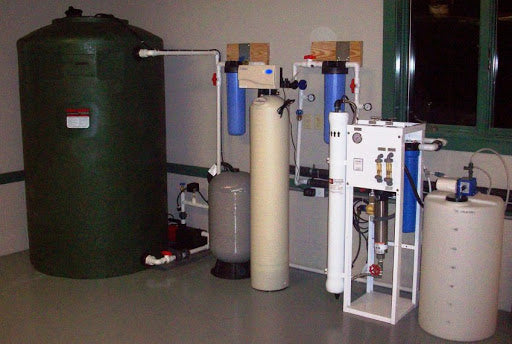
I remember an older couple who called me after their neighbor installed a reverse osmosis unit and swore it was the only way to get “pure” water. Their concern wasn’t drinking water, though—it was the chlorine smell in the shower and dry skin after bathing. They were about to spend money on the wrong system for the wrong reason.
What whole-house filtration actually does in real homes
Whole-house filtration treats water as it enters the home. Every tap, shower, washing machine, and hose bib sees filtered water. In my experience, these systems shine when the complaint is about how water behaves, not just how it tastes. Chlorine smell, chemical odors, itchy skin, dull laundry, and scale buildup are the triggers that usually point me in this direction.
I installed a carbon-based whole-house filter for a family with two kids who swam competitively. Ironically, the parents hated that their home smelled like a pool. Once the system was in place, the difference showed up fast—showers stopped steaming up the bathroom with chlorine odor, and their towels stopped stiffening after a few washes. Drinking water improved, too, but that wasn’t the main win.
Whole-house systems don’t strip everything out. That’s intentional. They’re designed to reduce disinfectants, sediment, and certain chemicals while keeping minerals that don’t cause problems. For most city-water homes, that balance works well.
Where reverse osmosis fits—and where it doesn’t
Reverse osmosis is a precision tool. It’s meant for drinking and cooking water, not your entire plumbing system. I’ve installed plenty of under-sink RO units, especially for homeowners who are sensitive to taste or worried about specific contaminants like nitrates or dissolved solids.
A few years ago, I worked with a homeowner who brewed his own beer. He could taste mineral differences that most people wouldn’t notice. A small RO system under the kitchen sink gave him consistency for brewing and clean-tasting water for coffee, while the rest of the house stayed on standard filtered city water. That setup made sense for how he actually used water.
What RO does not do well is scale up. It wastes water by design, requires regular membrane changes, and slows flow. I’ve seen people try to run refrigerators, pot fillers, and even whole kitchens off a single RO unit, then complain about weak pressure and constant maintenance. That’s not a flaw in RO—it’s misuse.
Common mistakes I see people make
The biggest mistake is assuming one system should do everything. Whole-house filtration and reverse osmosis solve different problems, but marketing often blurs that line. I’ve walked into homes where an RO system was installed to fix shower odor. It didn’t, because it physically couldn’t.
Another issue is overcorrecting. Some homeowners remove so much from their water that it starts tasting flat or aggressive, especially in hot water. I’ve had people ask why their coffee suddenly tastes “thin” after installing RO everywhere they could. In most cases, they didn’t need that level of purification for daily use.
Maintenance expectations trip people up, too. Whole-house systems usually need filter changes once or twice a year. RO systems require more frequent attention. When homeowners don’t factor that in, the system stops performing and they assume filtration “doesn’t work.”
Deciding based on how you actually live
After years of seeing both systems succeed and fail, I’ve found the decision becomes clear once you stop thinking about technology and start thinking about habits. If your biggest frustrations happen in the shower, laundry room, or at the bathroom sink, whole-house filtration aligns with real-world use. If your concern is the taste and purity of the water you ingest every day, reverse osmosis earns its place.
In many homes I service, the best solution is not choosing one over the other but understanding their roles. When filtration matches the problem instead of the trend, people stop obsessing over water quality and just enjoy using it.Whole-House Filtration vs Reverse Osmosis: Which Do You Actually Need?
- What Climate Controlled Storage Actually Protects—and What It Doesn’t
I’ve spent more than ten years working in self-storage, most of that time helping people figure out what really needs protection and what doesn’t, is one of those topics where exclimate controlled storage pectations and reality often miss each other by a mile. Some customers assume it’s a luxury add-on. Others believe it’s a cure-all. The truth sits somewhere in the middle.
I didn’t fully appreciate that early on. My perspective changed after watching the same patterns repeat, unit after unit.
How I learned the difference the hard way
One of my first wake-up calls came from a customer storing household furniture during a long renovation. Everything looked fine on move-in day. Months later, the drawers stuck, veneer lifted, and one table leg warped just enough to wobble. Nothing catastrophic—just enough damage to make the pieces frustrating to use.
Around the same time, another customer stored similar items in a climate controlled unit during a temporary relocation. When they moved out, the furniture felt exactly the same as it did on day one. No surprises. That contrast stuck with me.
Climate control isn’t about comfort
In my experience, people think climate controlled storage is about keeping items “cool.” That’s not really the point. The real benefit is stability. Consistent temperature and managed humidity prevent materials from expanding, contracting, drying out, or absorbing moisture over time.
I’ve seen damage show up quietly. Leather stiffens. Paper yellows. Electronics develop corrosion inside cases that look perfect on the outside. None of this happens overnight, which is why people underestimate the risk.
Items that usually need it
Anything made from multiple materials tends to suffer first. Wood furniture, musical instruments, documents, artwork, clothing, electronics, collectibles—these all react to environmental stress differently, but none of them like extremes or fluctuations.
A small business owner once stored inventory in a non-climate unit to save money. The products didn’t melt or break, but packaging warped just enough to look unprofessional. The cost of replacing that stock outweighed what climate control would’ve cost over the same period.
When climate control may not matter
I’m also honest when climate control won’t provide much value. If you’re storing metal shelving, lawn equipment, tools, or items you’d leave in a garage without concern, standard storage often makes sense. I’ve advised plenty of customers not to spend more than they need to.
The mistake happens when people think “temporary” storage means “safe by default.” Time isn’t the real factor—environment is.
A mistake I see repeatedly
One of the most common errors is assuming boxes protect what’s inside them. Cardboard offers almost no defense against temperature swings or humidity. I’ve opened boxes that looked fine externally, only to find brittle papers, warped vinyl records, or clothing with baked-in odors.
Climate controlled storage doesn’t make items immortal. It simply slows down the processes that cause deterioration.
How I frame the decision now
After years in the industry, I don’t describe climate control as an upgrade. I describe it as risk management. If replacing the item would be expensive, difficult, or emotionally painful, it probably belongs in a controlled environment.
Storage isn’t just about space. It’s about what happens to your belongings while they’re out of sight. Climate controlled storage doesn’t draw attention to itself when it’s working—but the absence of damage months or years later is usually proof enough.